Brass tapware has done what chrome used to do for the previous generation: it is the default for most luxury bathrooms and kitchens in Melbourne right now. The decision that catches owners out is the finish. Living brass and lacquered brass look almost the same on a showroom shelf. They behave nothing alike in your home.
Here is how to choose without regret.
Living finish brass
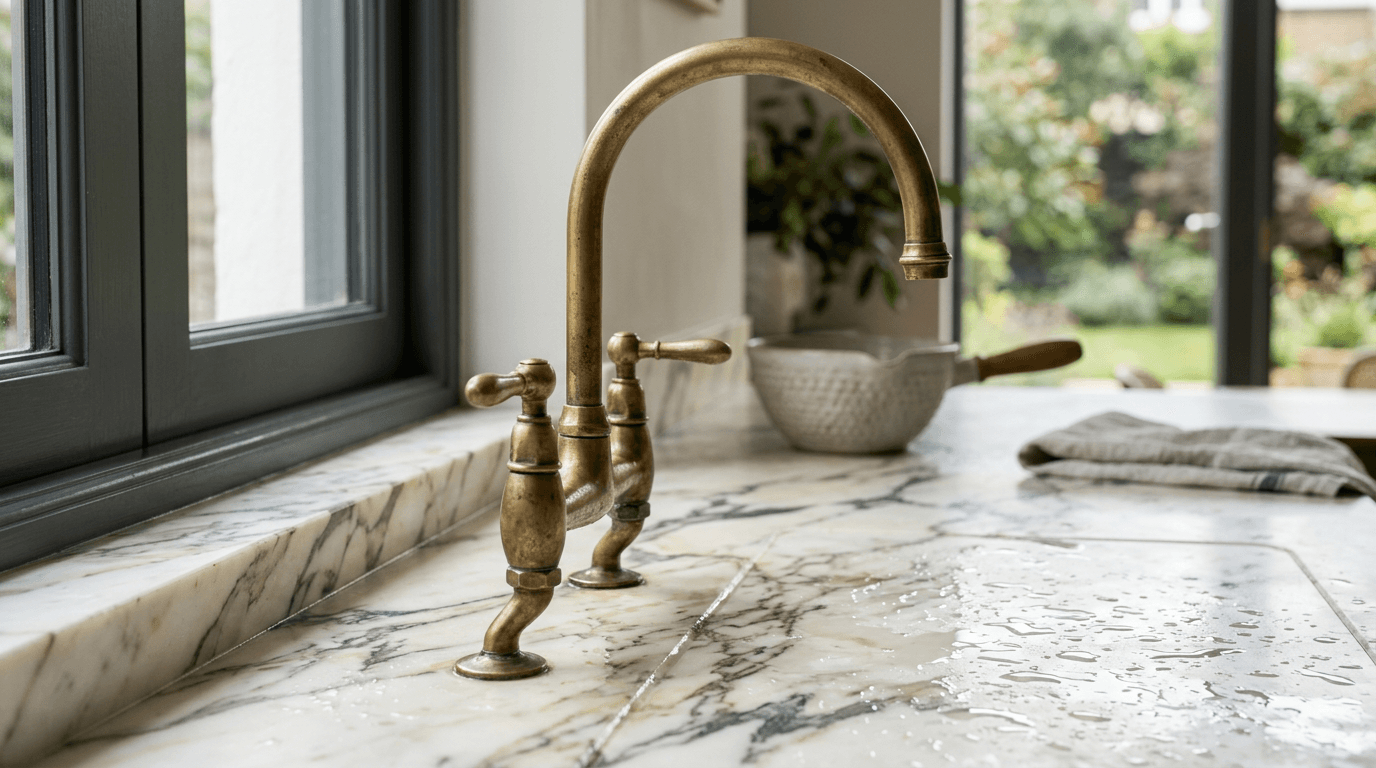
An unlacquered, unsealed brass. It oxidises. It darkens unevenly. Water spots leave marks. Touch areas around the lever stay brighter from the oils on your hands. Over years it develops what brass collectors call patina. It is honest, it is geological, and it is unmistakeable as the real thing.
Worth knowing: this is not a defect. It is the finish doing what brass does. Some clients love it. Some clients ring us in month three and ask why their new tap looks dull. We try to confirm in writing which you are before installation.
Lacquered brass
A clear coat is applied over the brass. The tap stays close to how it looked the day it shipped. Water spots wipe off. Patina does not develop.
The trade-off: once the lacquer wears (and on heavy-use kitchen taps it will in five to ten years) the brass underneath will oxidise unevenly through the worn spots. Now you have neither a clean lacquered finish nor an even living patina. The fix is recoating, which is rarely worth the cost.
PVD coated brass
Physical Vapour Deposition is the modern coating method used by premium tapware manufacturers like Brodware, Sussex, Fantini, Vola for their satin and brushed brass finishes. It is harder than lacquer, more uniform, and significantly more durable. The look is closer to lacquered brass than to living finish.
If you want the consistency of lacquered without the wear concern, PVD is the answer. It is also more forgiving with the cleaning chemistry most clients actually use day to day.
Polished, brushed, satin or aged
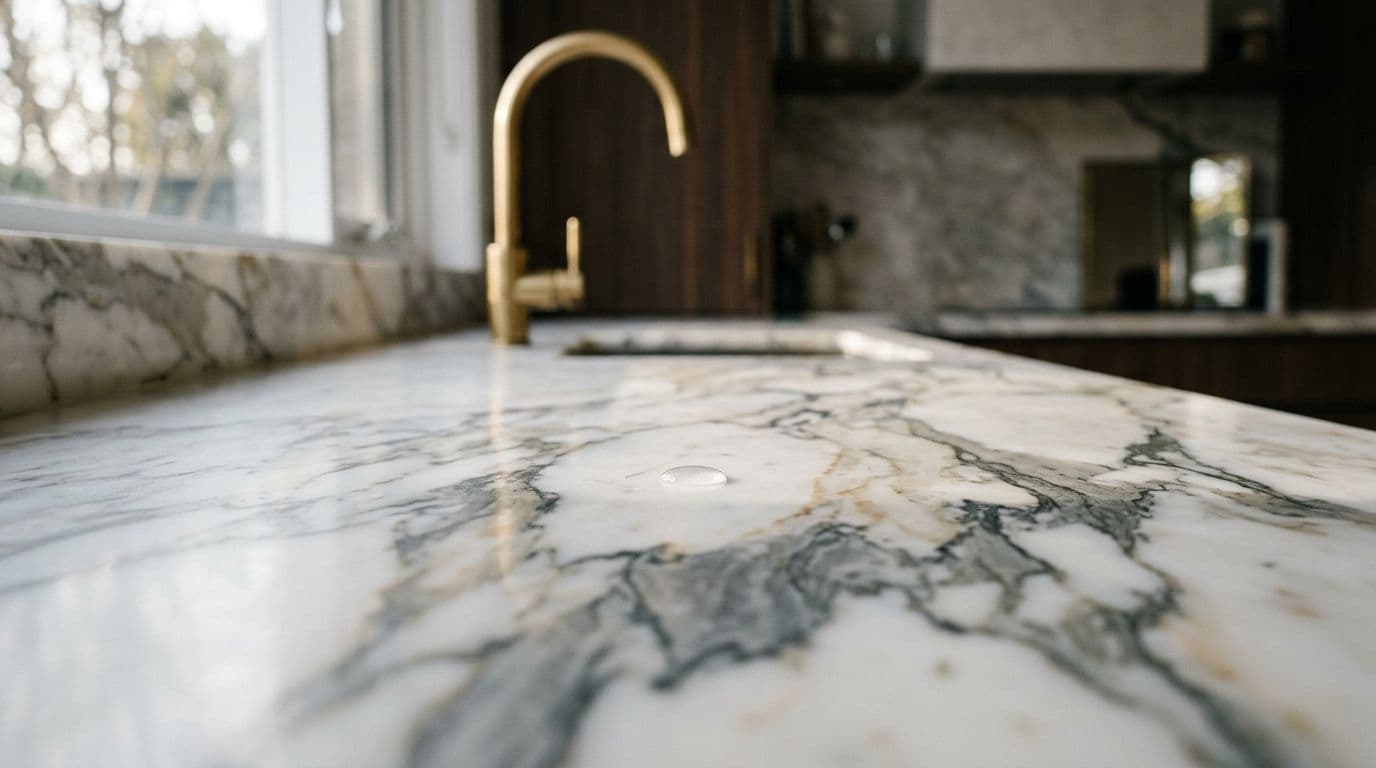
Polished brass reads warmer and slightly more formal. Brushed brass reads quieter. Satin is between the two. Aged brass starts where living brass eventually arrives, by deliberate patination at the factory.
The biggest practical mistake we see: mixing brushed brass tapware with polished brass cabinet hardware. The two finishes argue in the same room. Pick a register and stay with it across the build.
Cleaning, plainly
Whichever finish you choose, do not let it near abrasive cleaners, citrus-based sprays, or bleach. A soft cloth and warm water removes almost everything. Anything more aggressive is destroying the finish, even on PVD.
How to choose
- Want patina, accept change: living brass.
- Want consistency, modern look: PVD brushed or satin brass.
- Want the look of years past, ready: aged brass.
- Avoid plain lacquered brass on a heavy-use kitchen tap if you can.
If you are deciding on tapware for a build or renovation and want to handle the finishes side by side, we can arrange a showroom visit.
This article shares general guidance from our experience as luxury home builders in Melbourne. Every project is different. For advice on yours, get in touch.